🌍 World Usability Day 2025
Today we’re celebrating the glorious day when designers, devs, researchers, and users from all over the world come together for the 21st time in a row to say:
— “Please, stop making products that are impossible to use.”
Learn something new every day — a concept, an idea, a mindset shift. Small daily upgrades = big transformations.
It’s not magic. It’s exponential growth.

Today we’re celebrating the glorious day when designers, devs, researchers, and users from all over the world come together for the 21st time in a row to say:
— “Please, stop making products that are impossible to use.”

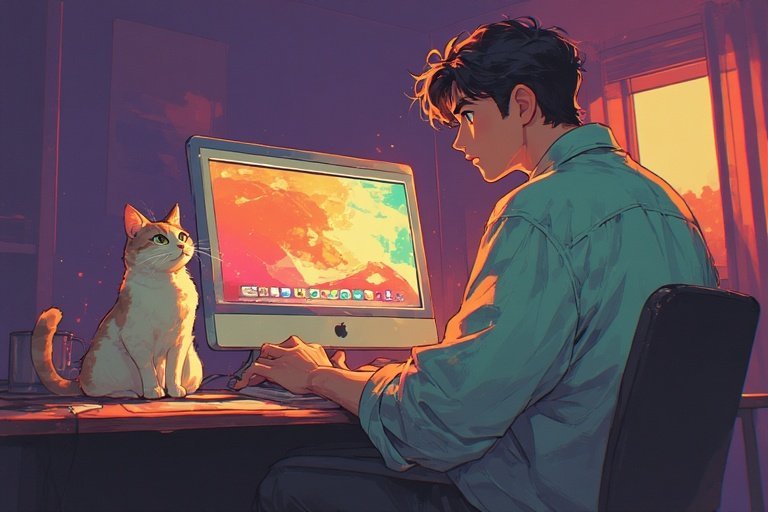
August 15, 1985 — The iMac dropped and made PCs look super boring, like they belong in a museum.
August 12, 1981 — IBM PC: The day creativity got its own keyboard
And the creative economy started coding itself.

July 24, 1969 — Apollo 11 returns to Earth
And the whole world is watching a perfect ending live.

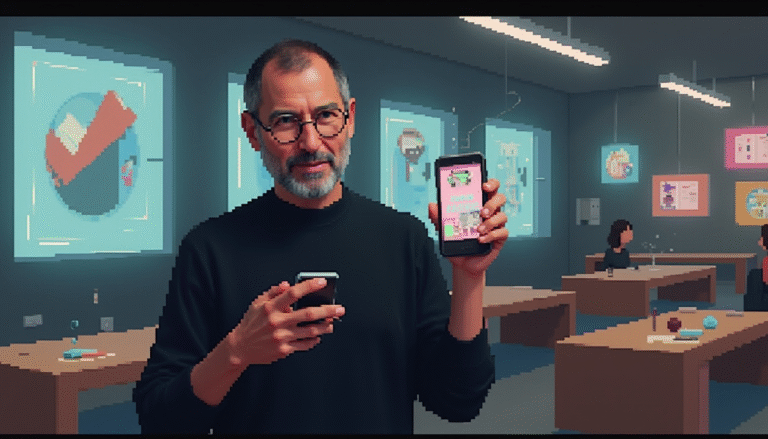
June 30, 2007 — The first iPhone drops officially
And creativity learned how to swipe.

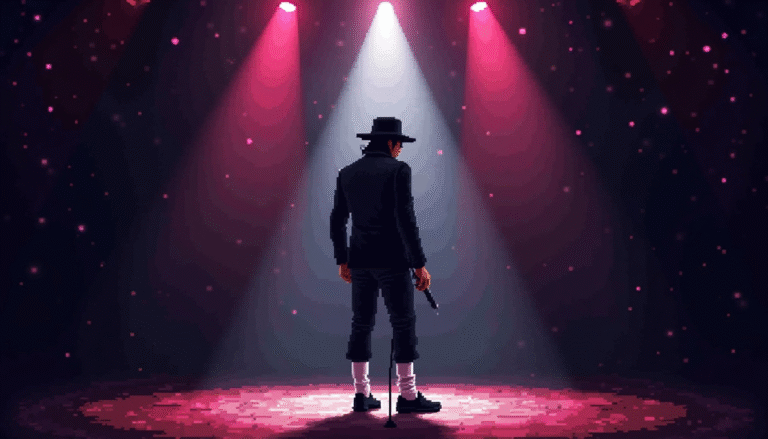
June 25, 2009 — Michael Jackson passes away in Los Angeles
And the whole world just stopped, like, for the first time, in real time.

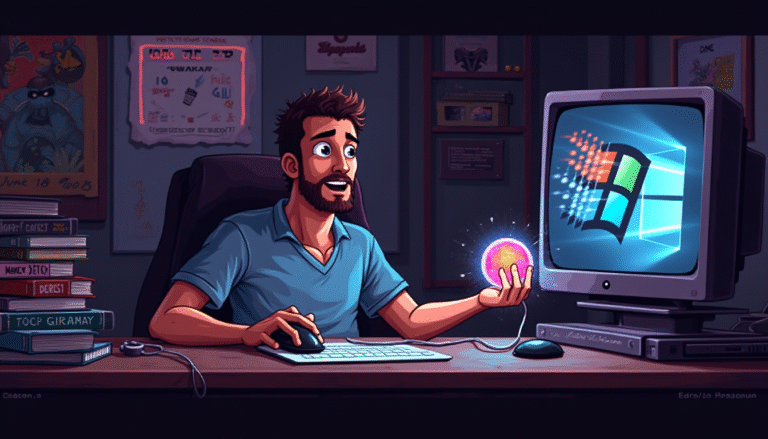
June 18, 2008 — Bill Gates officially leaves Microsoft
And the guy who created CTRL + ALT + DEL hit a new shortcut: purpose.

June 17, 2010 — Toy Story 3 hits theaters
And everyone realized that growing up… hurts way more than it seems.

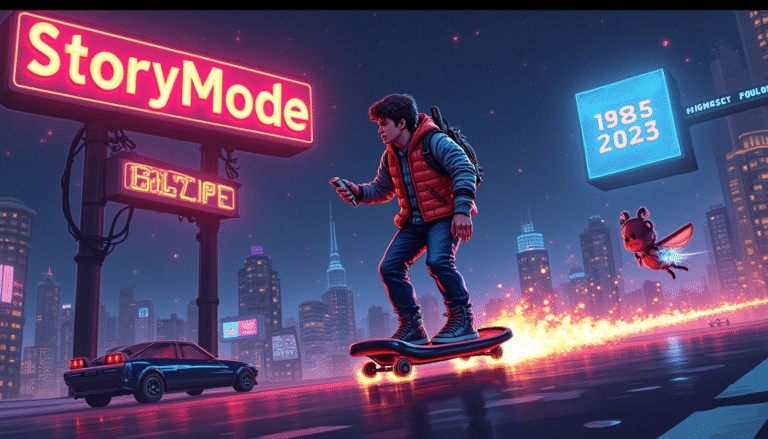
June 9, 1961 — Michael J. Fox is born
And the world got its first time traveler rocking an orange life vest and a souped-up skateboard.
Today we’re celebrating the glorious day when designers, devs, researchers, and users from all over the world come together for the 21st time in a row to say:
— “Please, stop making products that are impossible to use.”
Back in ’73, in the Bronx, a community fed up with violence figured the best way to fight back was through rhymes, dance, and spray painting walls. That’s how Hip Hop was born—proof that when the system slams doors shut, art kicks open windows in style. 💡 Historical Context
While the world thought video games were just a teen distraction, Take-Two Interactive came in, looked at Sid Meier, and was like, “Dude, this Civilization thing is pure gold.” And they were totally right. 💡
What went down: On November 7, 2005, Take-Two Interactive Software (the same powerhouse behind Grand Theft Auto and Red Dead Redemption) acquired Firaxis Games, the creators of the legendary Civilization franchise. This wasn’t just a market move — it was a statement: digital creativity is a strategic asset. 🧩
Connection to the Creative Economy: Firaxis wasn’t just selling games. They were selling […]
While the world was getting used to boring PowerPoint presentations and sleepy coffee breaks, something different popped up: the Stream Unconference — an event where nobody’s just an audience and everyone can take the stage.
Most people still think blockchain is just about crypto. But honestly, it’s all about trust. It’s the first digital system made to record stuff without needing to trust anyone—just the code. 💡 So why does this matter for the Creative Economy? Because blockchain is changing what it means to be a creator: it lets you register digital ownership without middlemen. Artists can get automatic royalties. It makes sure that art, design, video, or music has a unique and traceable identity. Before, you’d create something and the world would forget it. Now, you create and blockchain remembers it—forever. 🎯 Mission […]