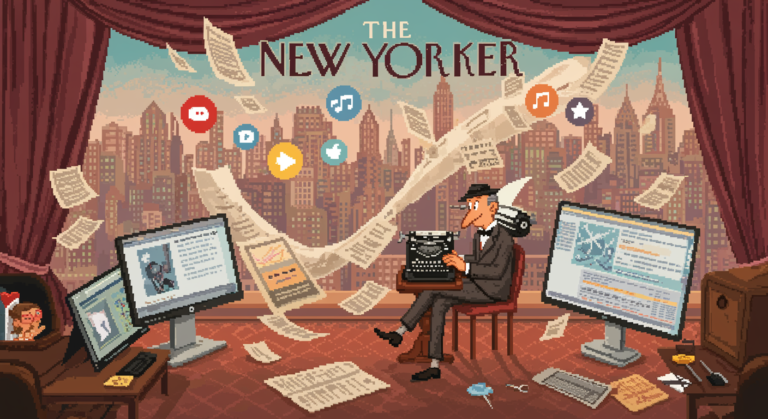
What Can The New Yorker Teach Us About Creativity and Branding?
On February 21, 1925, The New Yorker was born—a magazine that redefined what it means to tell stories with depth, intelligence, and a dash of

Learn something new every day — a concept, an idea, a mindset shift. Small daily upgrades = big transformations.
It’s not magic. It’s exponential growth.

On February 21, 1925, The New Yorker was born—a magazine that redefined what it means to tell stories with depth, intelligence, and a dash of
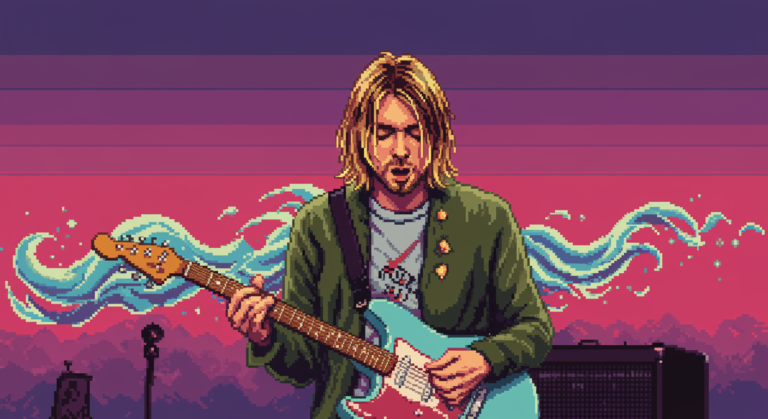
On February 20, 1967, the world welcomed Kurt Cobain—a figure who, despite his short time here, left an unforgettable mark on music and pop culture.

On February 19, 1878, Thomas Edison patented the phonograph and paved the way for everything we hear today: music, audiobooks, podcasts, and WhatsApp messages that
Now think about it: how many brands, content creators, and businesses have been ‘Plutos’ and just vanished because they didn’t keep up with the changes?
📌What does this have to do with the creative economy? Digital creators and entrepreneurs can take some game-changing lessons from Google Maps’ success: 3 Lessons
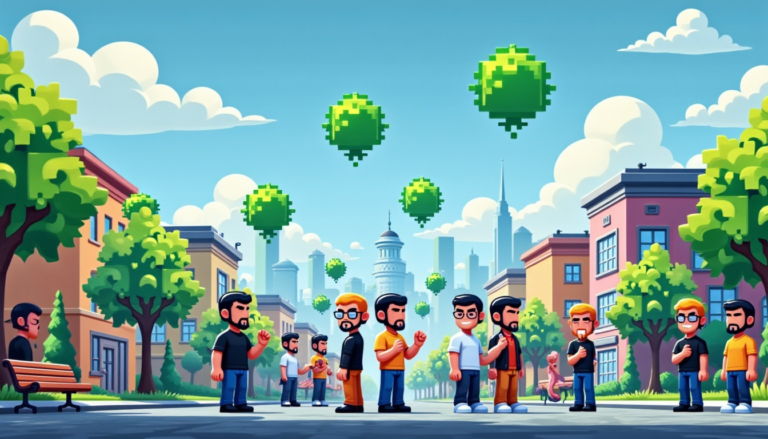
So what does this have to do with the creative economy and digital business? EVERYTHING. The Sims was one of the first games to turn
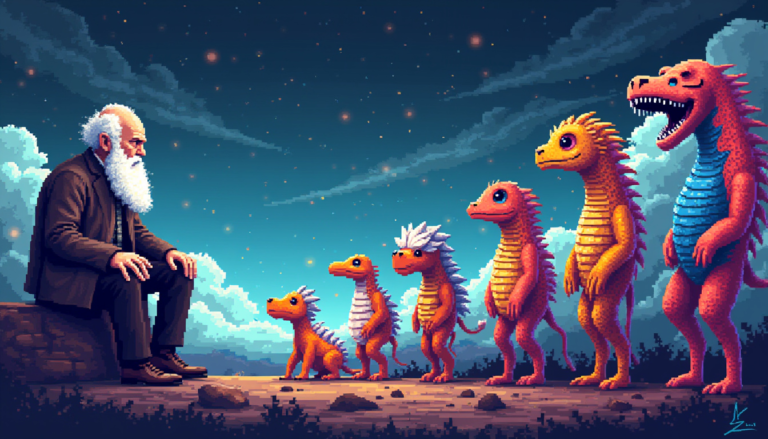
💡 3 Darwin-Inspired Lessons for Creatives and Entrepreneurs: 1️⃣ Adapt or Fade Away: Algorithm changed? Market shifted? No stress. Those who adapt fast thrive. Those

On February 10, 1996, IBM’s Deep Blue defeated chess world champion Garry Kasparov. That was the moment we realized that besides losing keys and patience,
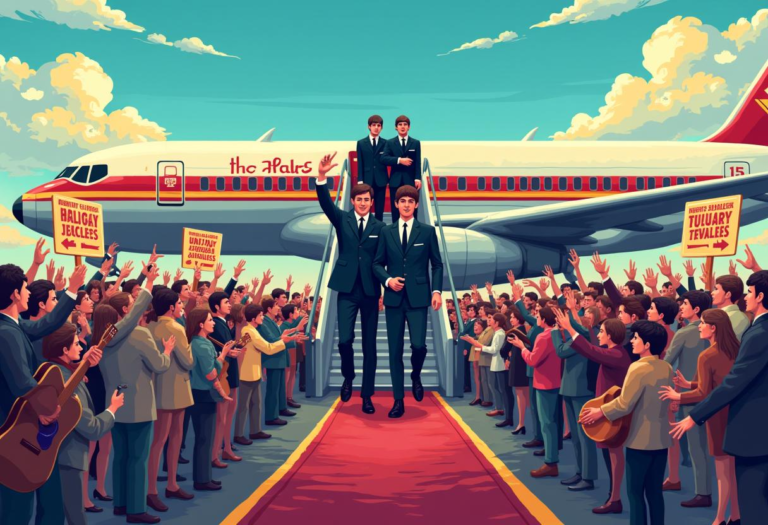
On February 7, 1964, the Beatles landed in the U.S., kicking off the era of “Beatlemania.” But what does that have to do with the
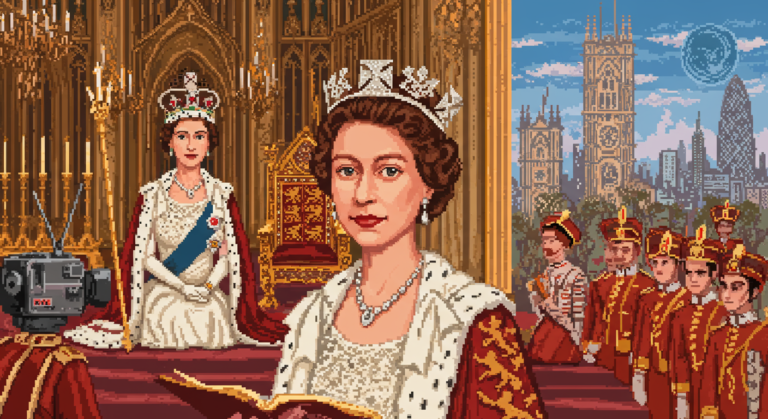
👑 1. Adaptability is key The Queen has survived it all: scandals, political changes, the rise of social media, and even the final episode of
Em 3 de dezembro de 1992, o engenheiro Neil Papworth enviou a primeira mensagem SMS da história.
Do computador dele para o celular do seu chefe, a frase simples — “Merry Christmas” — inaugurou uma nova forma de comunicação humana.
Em dezembro de 1990, Tim Berners-Lee finalizou o primeiro protótipo funcional da World Wide Web.
O que Berners-Lee não sabia é que estava inaugurando uma nova espécie de ecossistema humano:
um lugar onde culturas se encontram, carreiras nascem, criatividade se expande e revoluções começam — tudo ao mesmo tempo.
Nos EUA, ela surgiu para nomear o caos urbano pós-Thanksgiving — ruas abarrotadas, lojas lotadas, filas que davam voltas no quarteirão e gente lutando por televisões como se fossem artefatos sagrados.
No Brasil, como sempre, não decepcionamos.
Transformamos a Black Friday em evento digital, híbrido, remixado, com memes, lives, influenciadores, cashback, link afiliado, cupom secreto, cupom falso, cupom que nunca funciona…
É a economia criativa em seu estado mais primal.
Hoje celebramos Ada Lovelace, a matemática que, em 1852, escreveu o primeiro algoritmo da história — um código criado para um computador inexistente.
Basicamente, Ada fez o que todo programador moderno faz na sexta-feira à noite: escreveu algo que o hardware não ia aguentar.
Há 103 anos, em 26 de novembro de 1922, Howard Carter e Lord Carnarvon fizeram aquilo que nenhum adulto moderno consegue: abriram uma porta que estava fechada há 3 milênios.
E, diferente de nós, não encontraram bagunça, roupas amassadas ou caixas da Amazon acumuladas.
Encontraram a tumba de Tutancâmon, perfeitamente preservada, brilhando como se o dono tivesse acabado de sair pra dar uma voltinha com seu camelo.